
Adaptive LearningParent Guide
Adaptive Learning, Explained for Parents
What adaptive learning actually means, how it differs from a worksheet app, and what to look for in a platform for your child.
April 1, 2026 · 6 min read
Practical guides for parents supporting math learning at home.
What adaptive learning actually means, how it differs from a worksheet app, and what to look for in a platform for your child.

Five evidence-based techniques parents can use at home to support math learning, even if math was never your favourite subject.
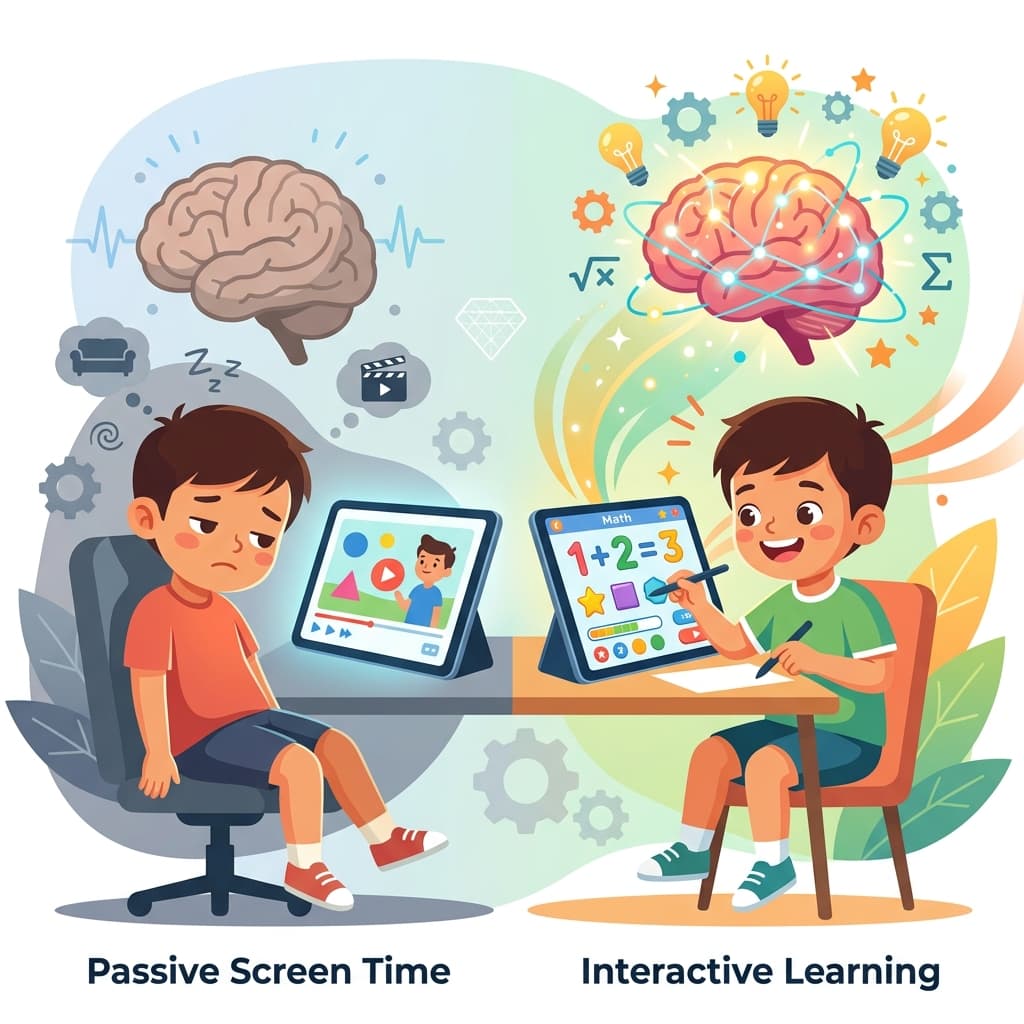
Not all screen time is equal. Here is what current research says about educational apps, passive video, and how to spot the difference.
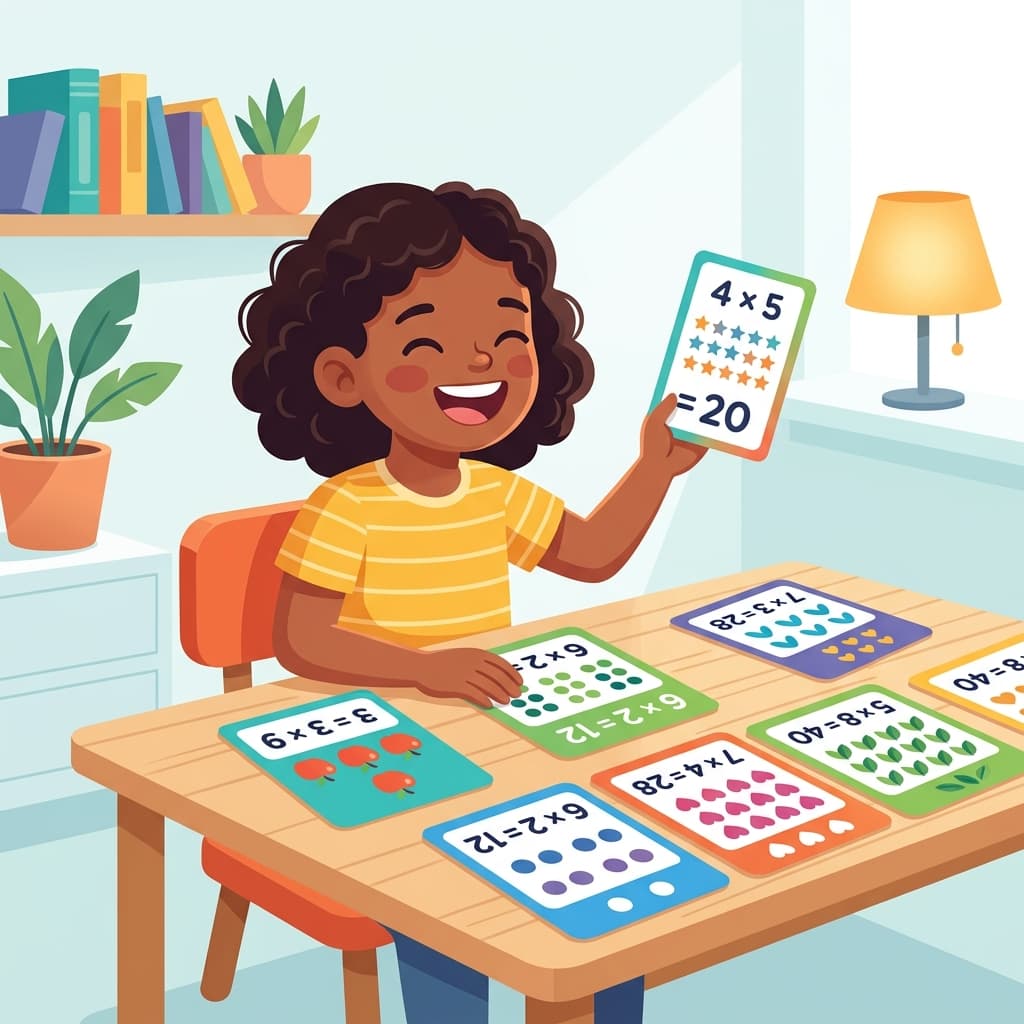
Why math facts still matter in a calculator world, how fluency is actually built, and what to do if your child is struggling.
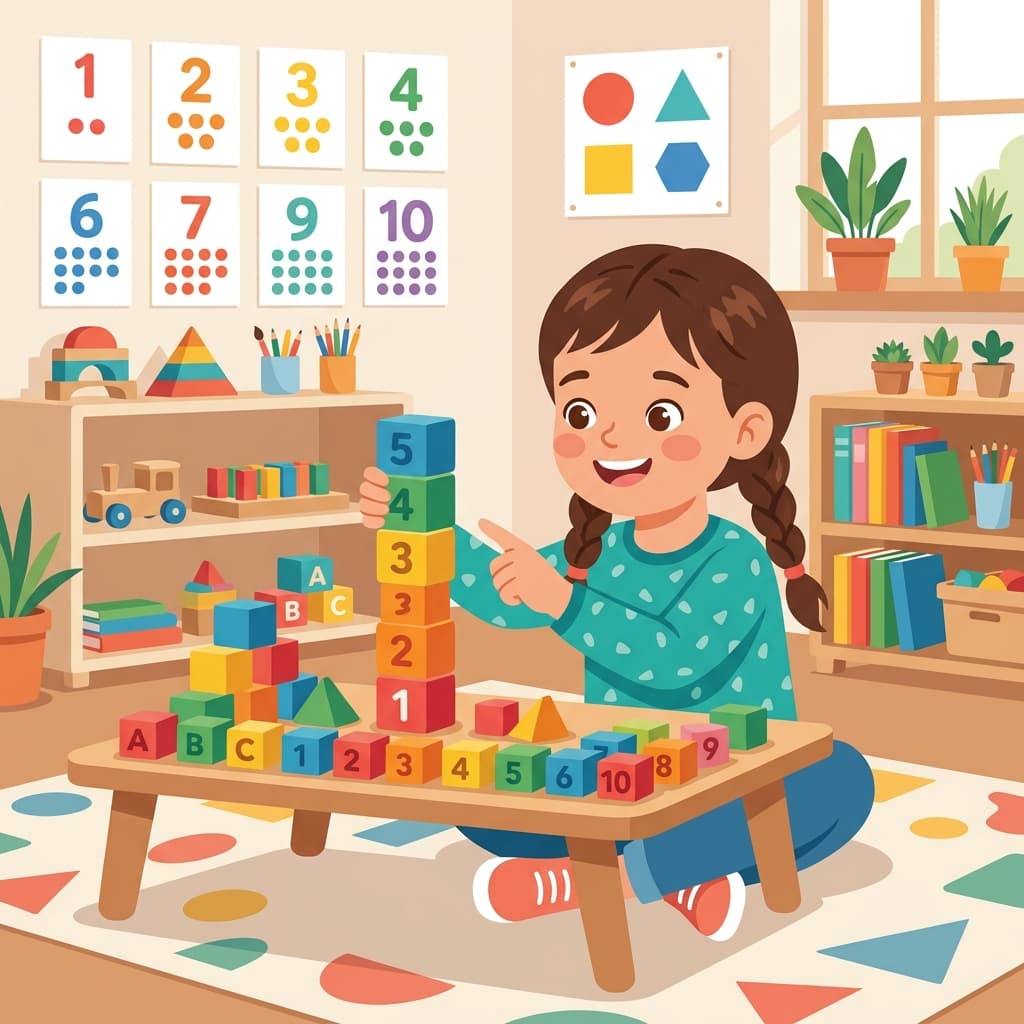
What Pre-K math looks like in Canadian and US curricula, the core concepts, and how to build early number sense at home.

Kindergarten math essentials across Canada and the USA: counting, comparing, shapes, and early addition.
Grade 1 math at a glance: addition and subtraction to 20, place value, basic measurement, and patterns.
A parent-friendly tour of Grade 2 math: place value to 1000, addition and subtraction within 100, time, and money.
Grade 3 is the multiplication year. A parent guide to the big ideas — multiplication, division, fractions, and area.
Grade 4 math essentials: multi-digit multiplication, long division, equivalent fractions, and introduction to decimals.
The Grade 5 year: operations with fractions and decimals, volume, and the coordinate plane.
Grade 6 is a transition year: ratios, percents, negative numbers, and early algebra. What parents should know.
Grade 7 math: operations with integers and rational numbers, proportional reasoning, and one-step equations.
Grade 8 math readiness: linear equations, the Pythagorean theorem, functions, and the transition to high-school algebra.